
De-risking climate change,
financing resilient
food systems
At COP31, NIRSAL will unveil its proposed US$1billion Climate Finance and Investment De-risking Facility and initiate the mobilisation of relevant partnerships to unlock climate-smart agricultural investments in Nigeria.

US$1BN CLIMATE FINANCE & INVESTMENT FACILITY
US$1 billion
Climate risk is real.
So is the investment opportunity.
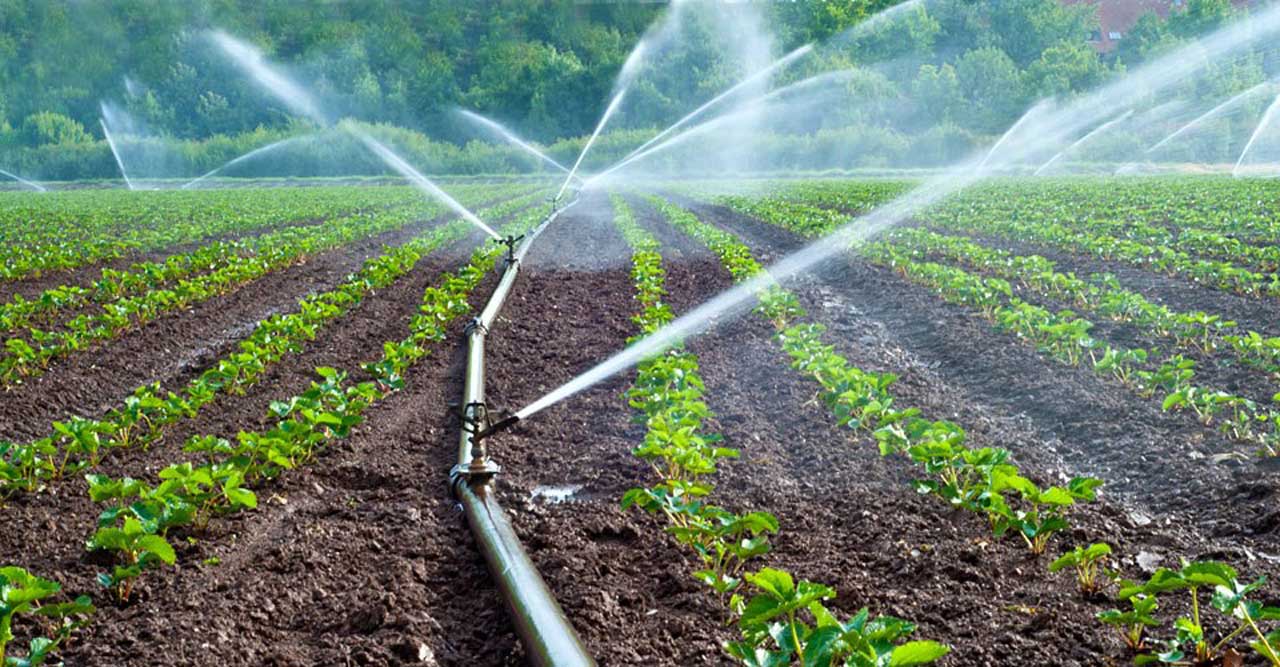
NIRSAL proposes to build resilient food systems, bringing Nigeria closer to meeting the US$337bn investment target in its NDC 3.0.
Two phases, one investment pathway
Phase 1
De-risking platform strengthening
US$100m
Multi-partner investment scale-up
US$900m
NIRSAL: built to work. Ready to scale.
Established by the Central Bank of Nigeria in 2013 with a US$500m agricultural finance de-risking mandate. The proposed US$100m partnership strengthens its existing pillars and its capacity to de-risk climate finance.
What the partnership enables
Built on the pioneer institutional agricultural de-risking platform in Africa.
Why NIRSAL?
NIRSAL already has the structure, experience and capability to manage and deploy climate finance at scale, with the flexibility to adapt to new investment partnerships.
The delivery advantage
Mandate + risk-sharing tools + financial partners + field intelligence + convening power + country ownership.
Let’s finance resilience together.
NIRSAL seeks expressions of interest in financing, risk-sharing, technical assistance and project-development partnerships, leading to structured discussions and indicative commitments.
Producers and farmers
Water-efficient irrigation, resilient seeds and insurance can mean harvests that better withstand climate shocks.
Agribusinesses
Reliable clean energy for storage and processing can mean fewer losses, more output and more jobs.
Communities
Financeable projects can mean supported livelihoods, stronger local markets and greater economic resilience.
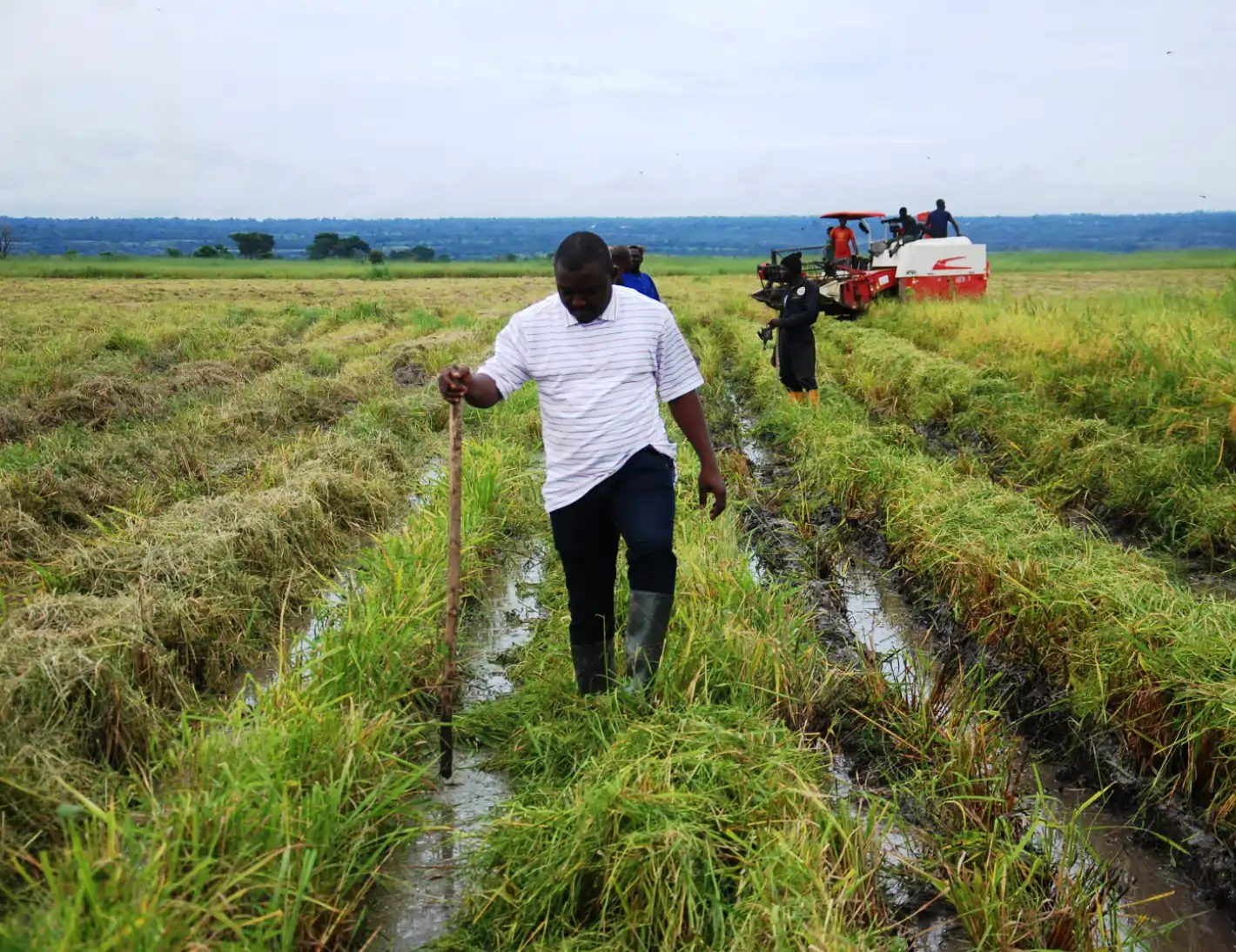
Women and youth at the centre of resilience.
Women and youth are central to agricultural livelihoods and enterprise. Climate-smart finance can expand their opportunities to produce, build businesses and earn sustainably.
For Nigeria, adaptation is not simply an environmental exercise. It is about keeping farms productive, practices sustainable and food systems moving.